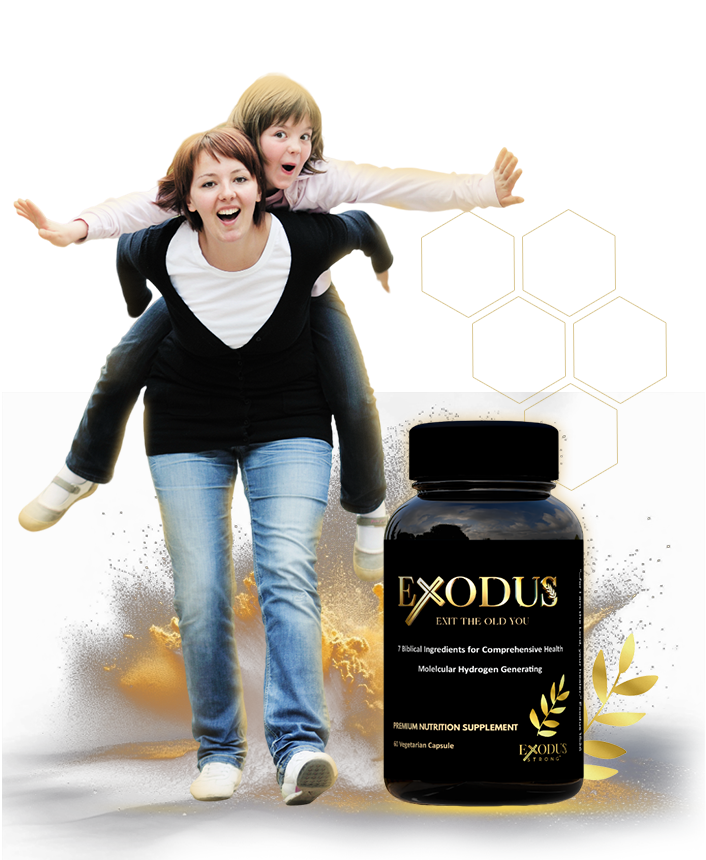
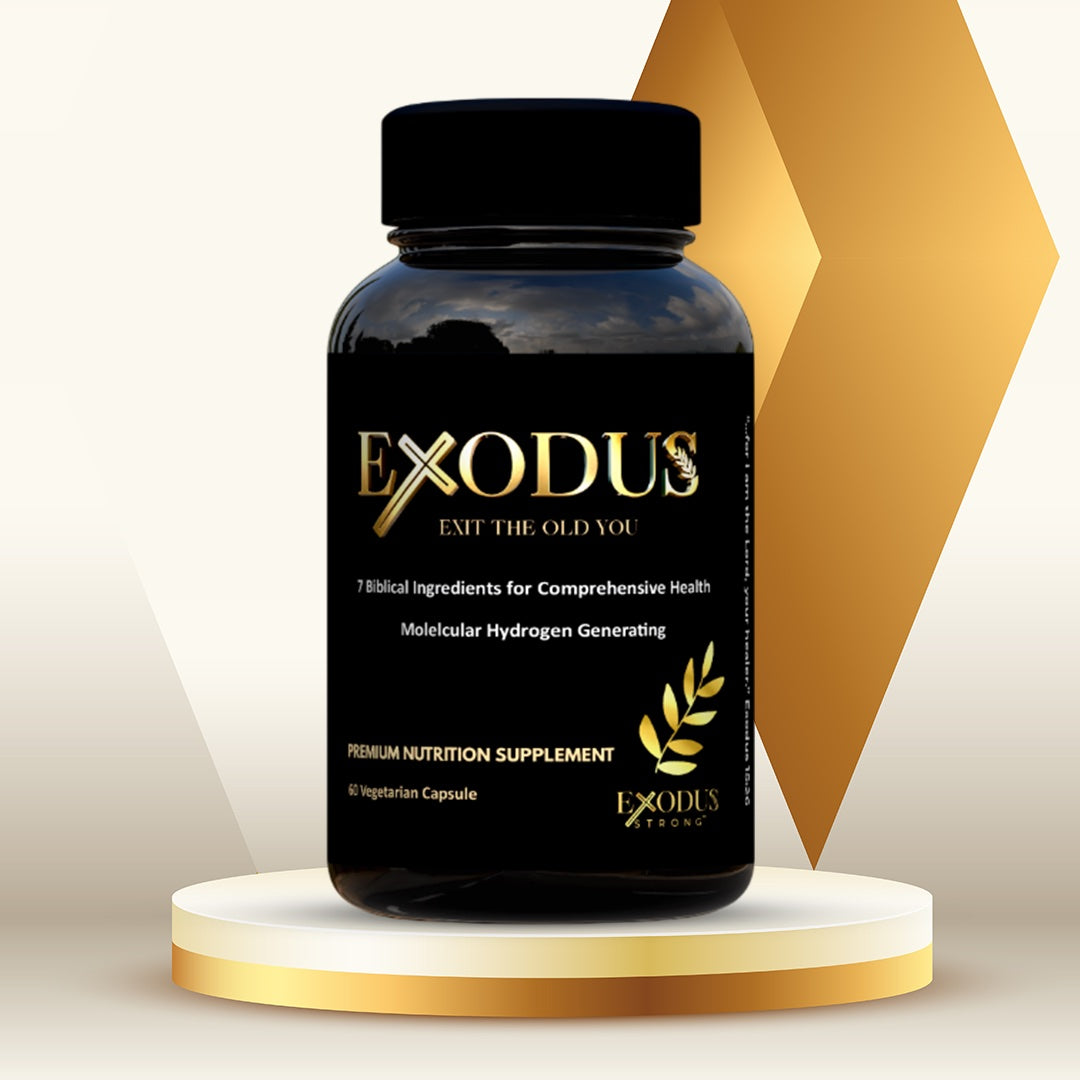
Molecular hydrogen supports a wellness routine as a selective antioxidant that targets the most damaging free radicals while sparing beneficial signaling molecules. Taken as tablets, capsules, or hydrogen-rich water, it complements habits like movement, sleep, hydration, and red light therapy. It su
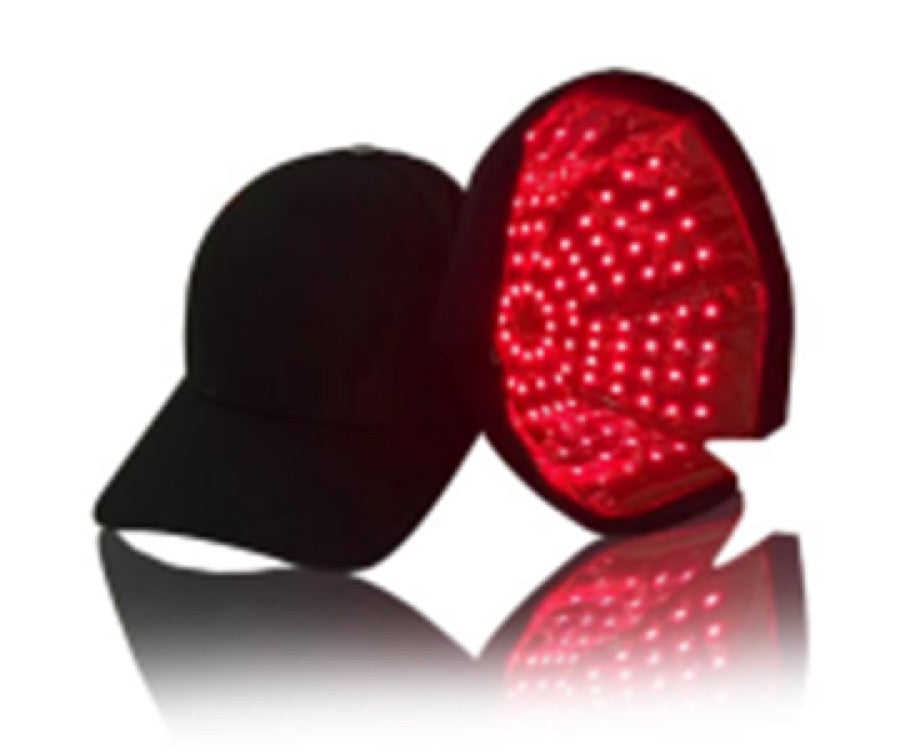
To choose the right red light therapy device, start with your primary goal, then match it to wavelength, format, and dose. Skin goals favor 660nm and a mask or panel; muscle and joint goals favor 850nm and a mat or wand; whole-body goals favor a dual-wavelength mat. Confirm the device publishes irra
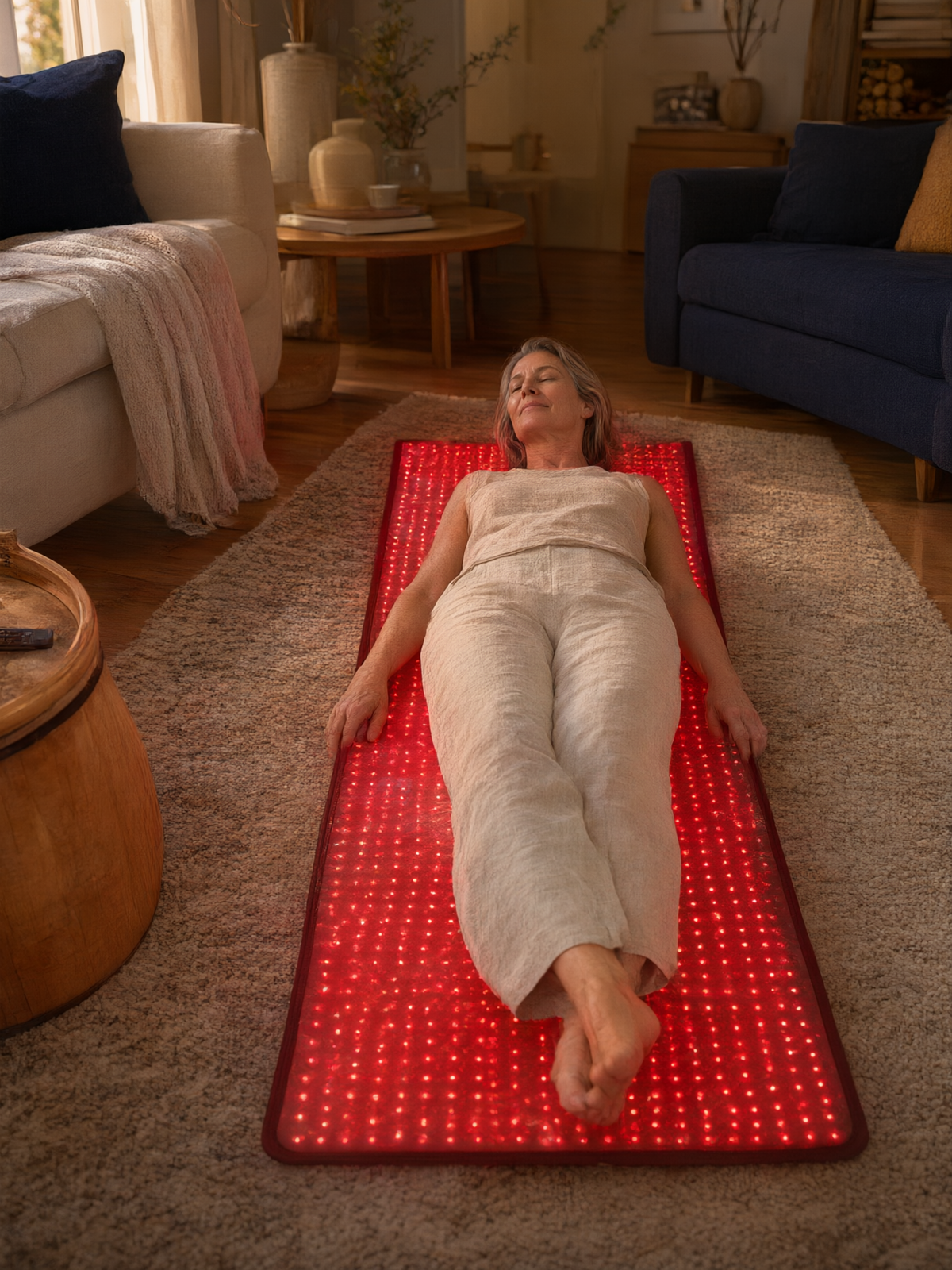
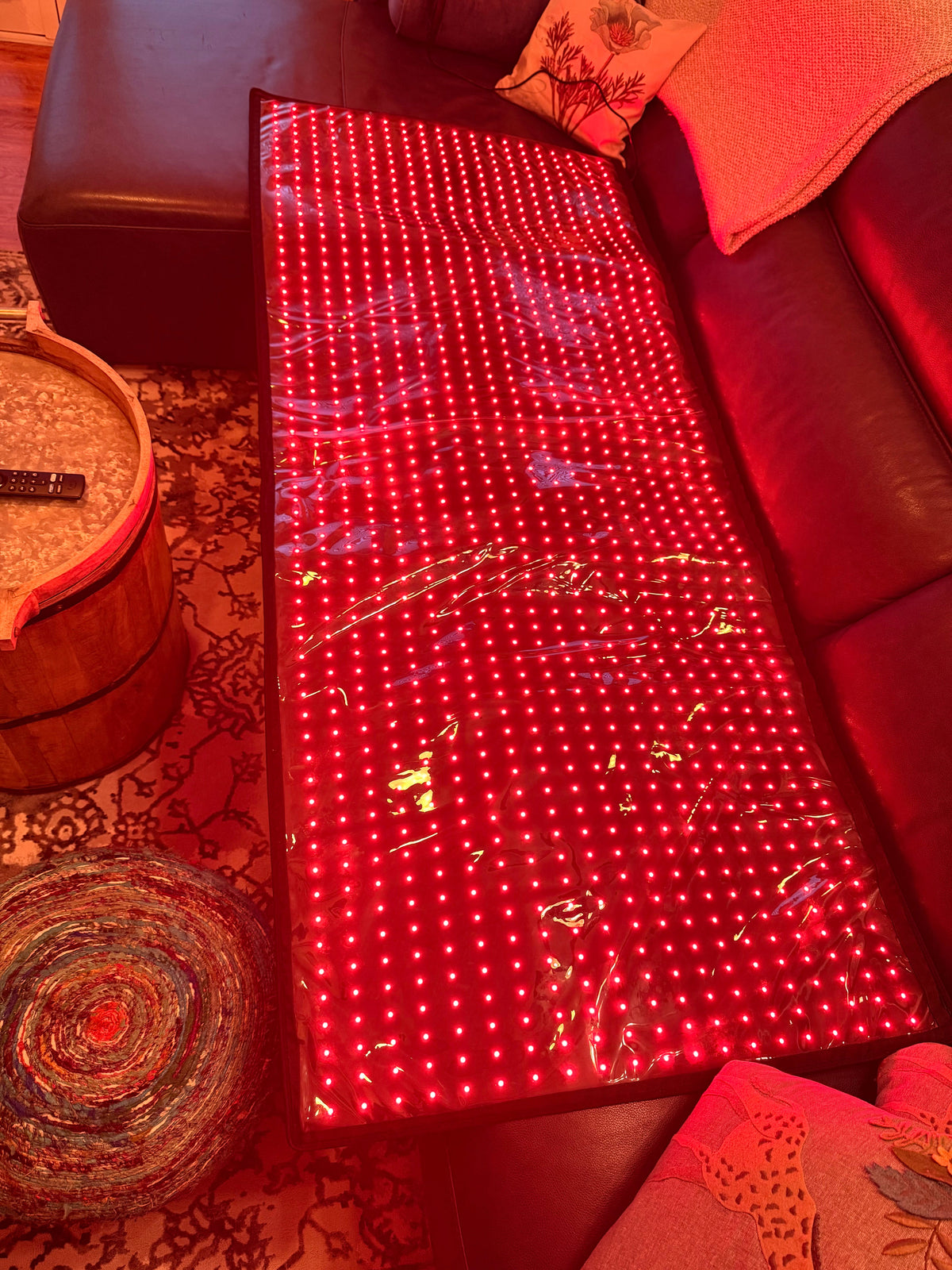
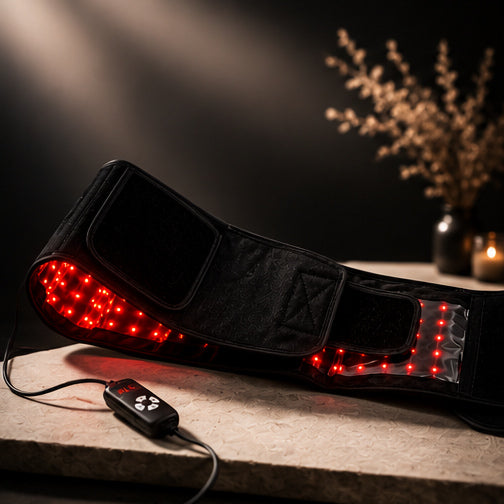
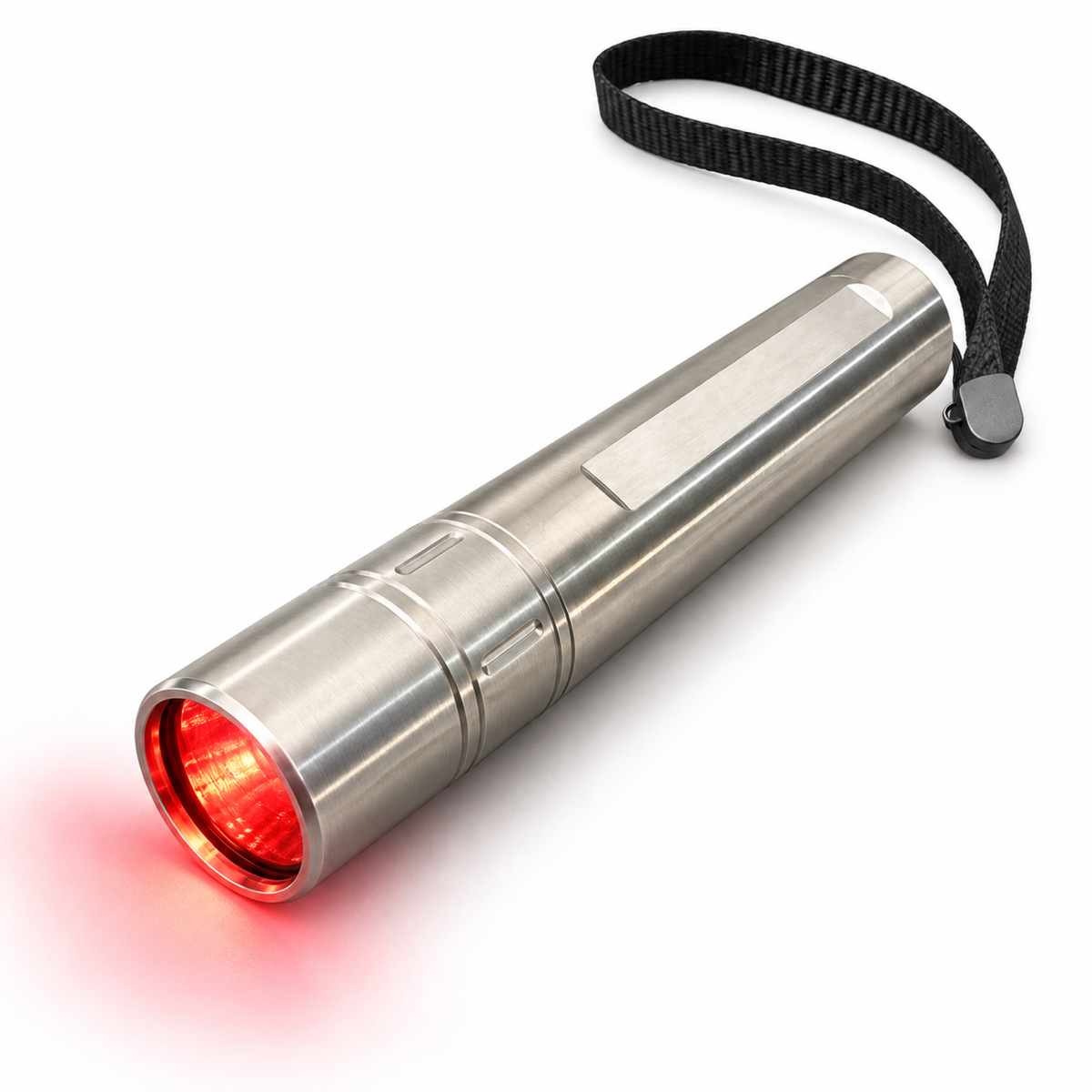
Home red light therapy uses 660nm and 850nm light devices you own and use yourself, typically 10-20 minutes per session, 3-5 times per week. It delivers the same wavelengths as clinical treatment, with consistency as its main advantage. Mats, panels, wands, and masks let you treat skin, muscle, and
Red light therapy and molecular hydrogen work together by supporting cellular energy and recovery from complementary directions. Red light (660nm and 850nm) is absorbed by mitochondria to support ATP production externally, while molecular hydrogen acts as an internal selective antioxidant that prote
The key red light therapy device specifications are wavelength (660nm and 850nm), irradiance (mW/cm² at a stated distance), power output, coverage area, EMF level, and beam angle. Irradiance and wavelength determine the effective dose, while coverage and format determine fit. Reading these specs let
Red light therapy side effects are few and usually mild, such as temporary skin redness, mild warmth, or eye strain from looking at the light. These resolve quickly and are avoidable by following distance and session guidance and protecting the eyes. The non-ionizing, UV-free 660nm and 850nm wavelen
Molecular hydrogen tablets are effervescent tablets that release hydrogen gas (H2) into water, creating hydrogen-rich water you drink. They deliver a selective antioxidant that targets the most reactive oxygen species, supporting antioxidant balance and recovery. Other formats include capsules and r
Red light therapy and molecular hydrogen serve overlapping goals through different mechanisms. Red light uses 660nm and 850nm light to support skin, muscle, and joint tissue directly. Molecular hydrogen is a selective antioxidant supporting whole-body balance and recovery from the inside. For target
The best red light therapy device for home use delivers both 660nm and 850nm wavelengths at adequate irradiance (typically 20-100 mW/cm² at treatment distance), with enough emitter coverage for your target area. Mats suit whole-body use, panels suit targeted areas, and masks suit facial skin. Match
Molecular hydrogen differs from traditional antioxidant supplements in selectivity and size. It neutralizes only the most damaging free radicals while sparing beneficial signaling molecules, whereas broad antioxidants like high-dose vitamin C or E scavenge indiscriminately. As the smallest molecule,
Red light therapy results appear on different timelines by goal. Muscle recovery and comfort are often noticed within days to 2-3 weeks, skin tone and texture in 4-8 weeks, and collagen-related firmness in 8-12 weeks. Results depend on consistent use of 10-20 minutes, 3-5 times per week, because the
When choosing a red light therapy device, look for seven features: both 660nm and 850nm wavelengths, adequate irradiance (20-100 mW/cm² at distance), coverage that fits your target area, the right format, low EMF, clear dosing guidance, and solid build quality. Wavelength and irradiance are the non-
Red light therapy is considered safe for most people when used as directed. It uses non-ionizing 660nm and 850nm wavelengths with no UV, and dermatology reviews report a favorable safety profile. Safe use comes down to following distance and session guidance, protecting the eyes, and checking with a