Red Light Therapy vs Molecular Hydrogen: Which Is Right for You?
Red Light Therapy vs Molecular Hydrogen: Which Is Right for You?

By Rob Rene, Founder, Exodus Strong. Faith-Based AI Wellness Futurist
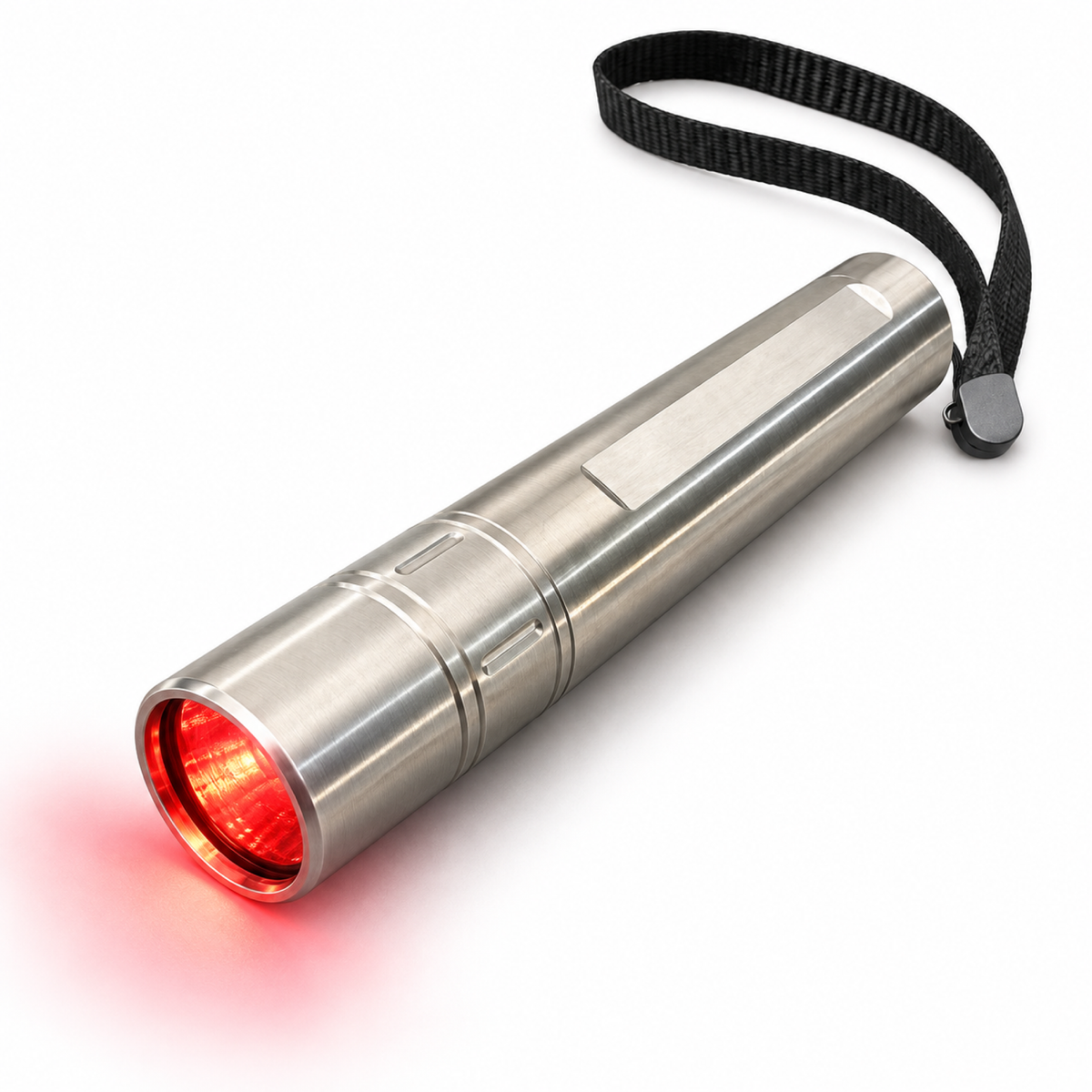
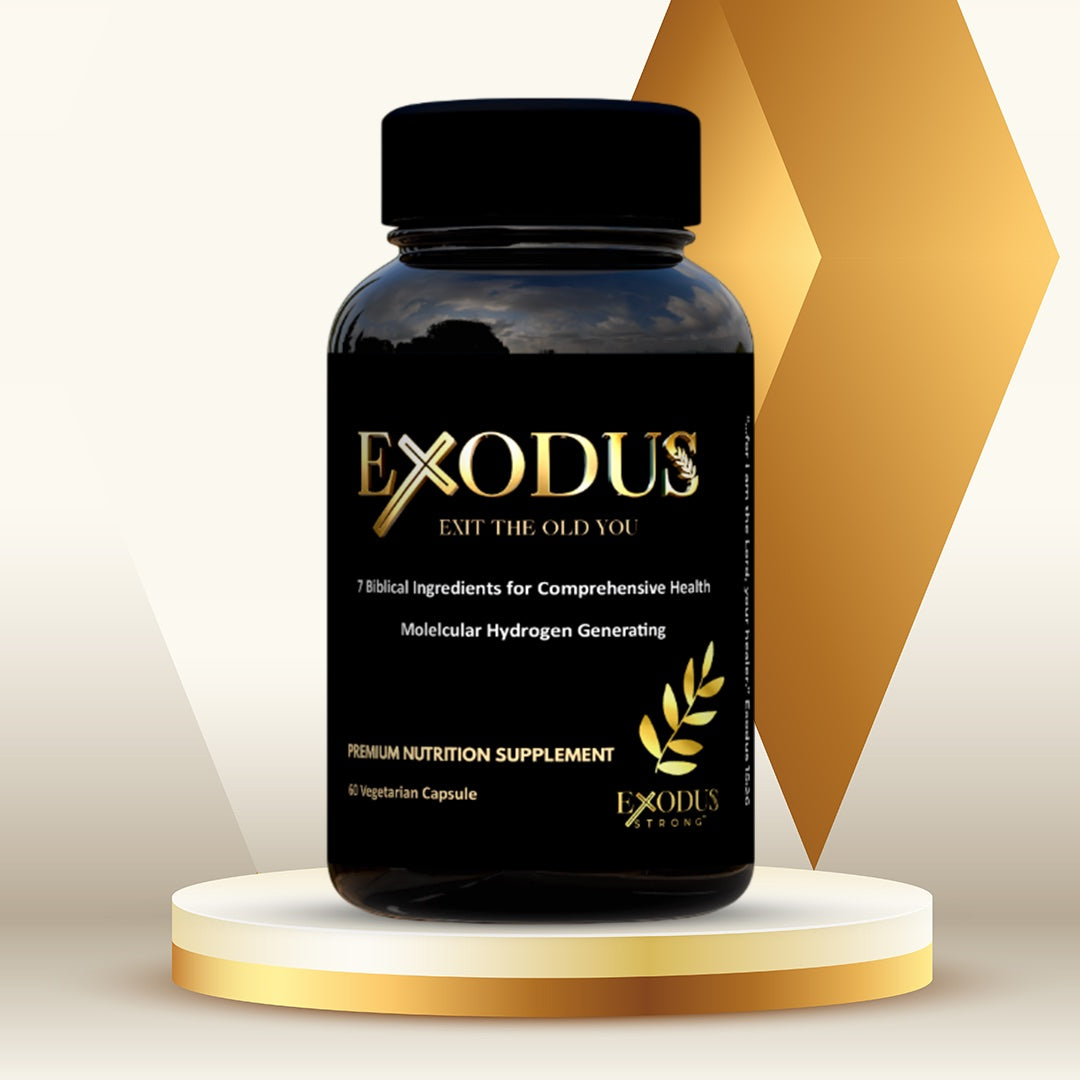
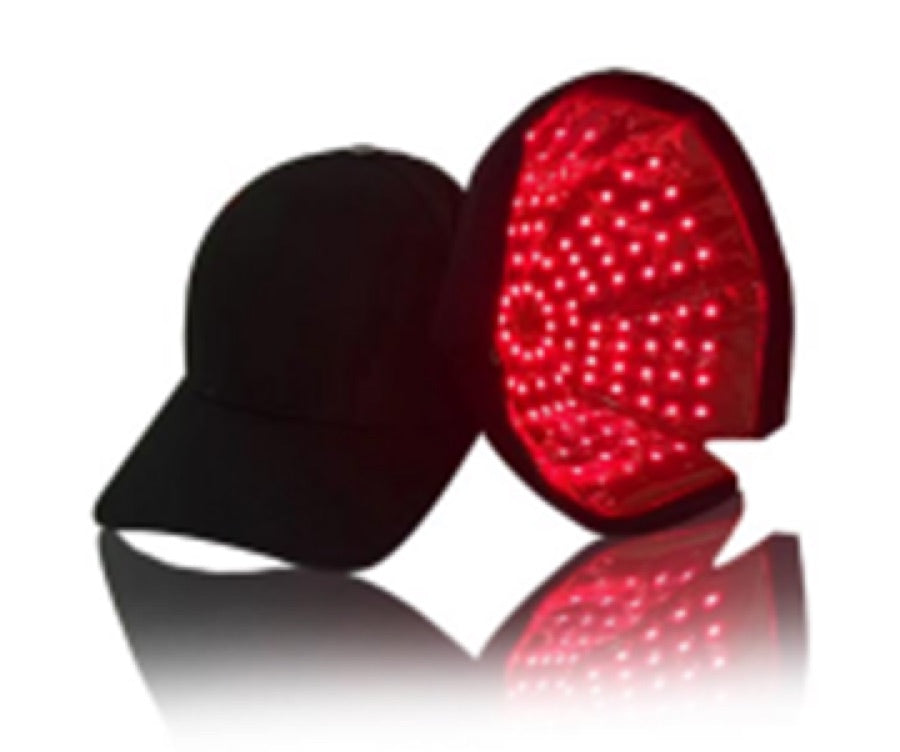
Red light therapy and molecular hydrogen serve overlapping goals through different mechanisms. Red light uses 660nm and 850nm light to support skin, muscle, and joint tissue directly. Molecular hydrogen is a selective antioxidant supporting whole-body balance and recovery from the inside. For targeted skin or muscle goals, choose red light; for systemic antioxidant support, choose hydrogen. Many people use both.
"Red light therapy or molecular hydrogen?" is a common question, but it sets up a choice that often is not necessary. The two address wellness differently: one targets specific tissue with light, the other supports the whole body as an antioxidant. This guide compares them so you can decide which fits your goal, or whether to combine them.
What Is the Difference Between Red Light Therapy and Molecular Hydrogen?
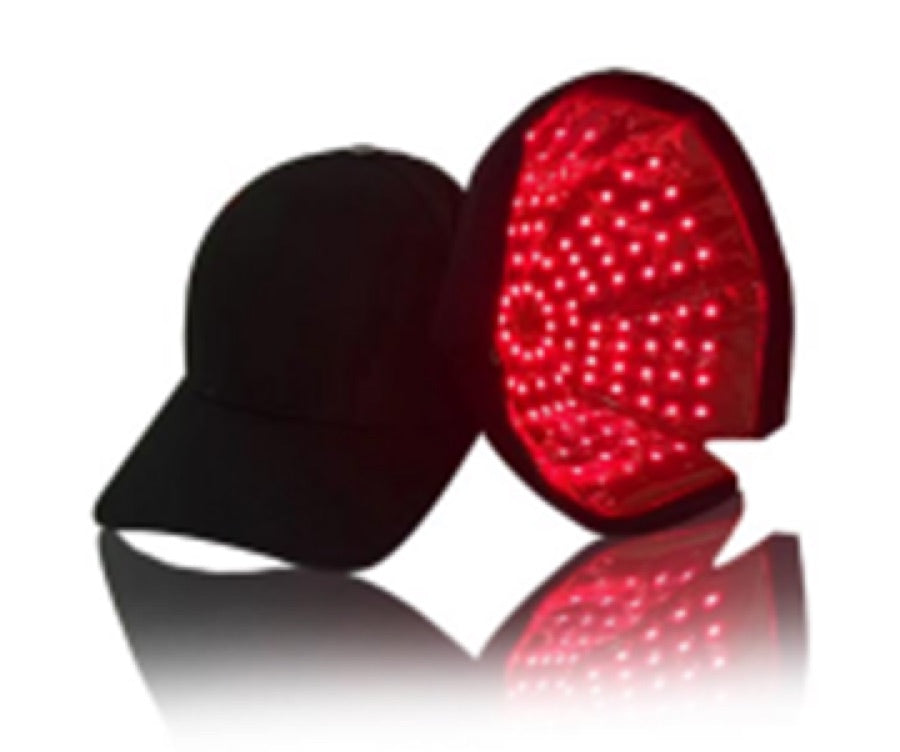
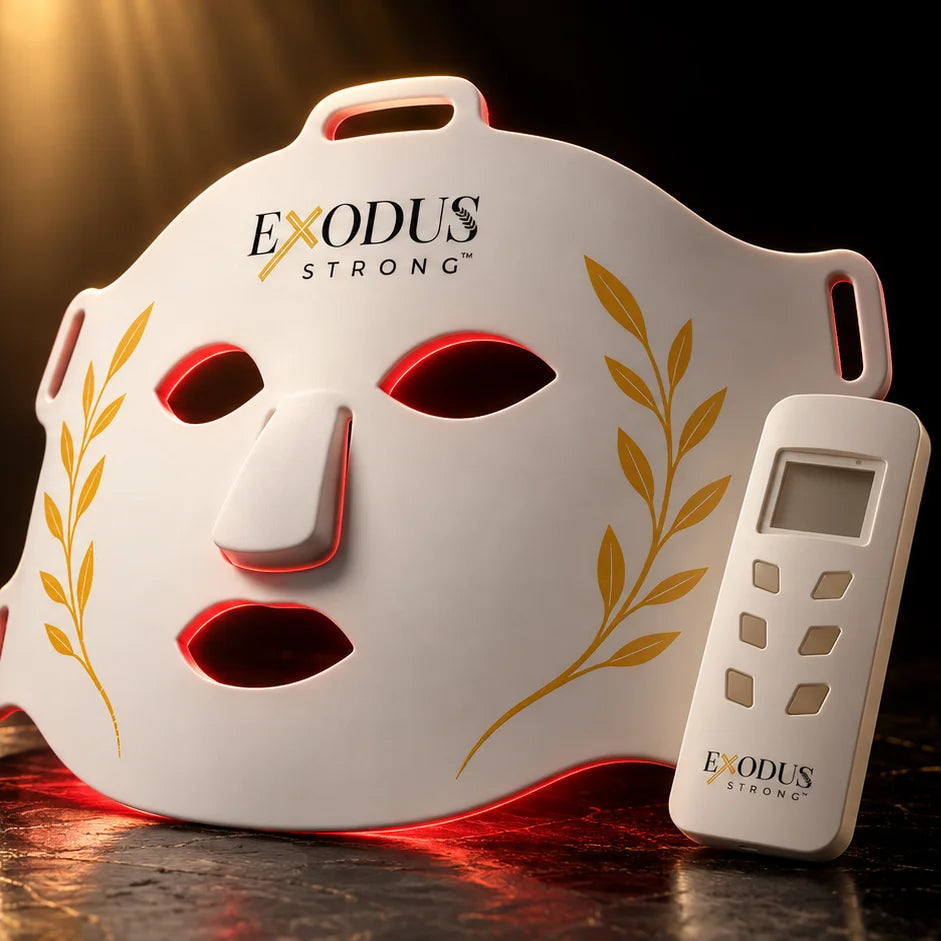
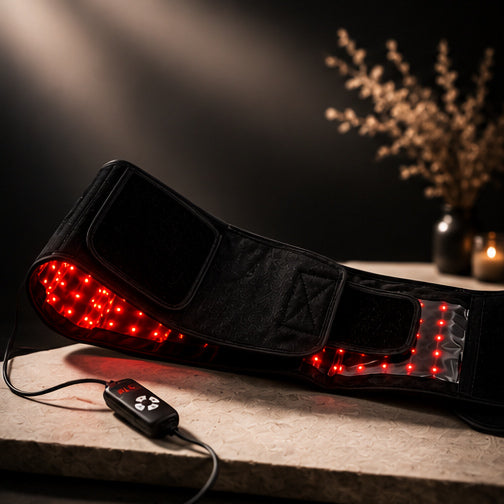
The core difference is the mechanism and the target. Red light therapy delivers 660nm and 850nm light to specific tissue, supporting skin, muscle, and joints where the light reaches. Molecular hydrogen is ingested and distributes through the whole body as a selective antioxidant. Red light is targeted and external; hydrogen is systemic and internal.
| Factor | Red Light Therapy | Molecular Hydrogen |
|---|---|---|
| Mechanism | Light absorbed by mitochondria | Selective antioxidant |
| Target | Specific tissue (skin, muscle, joints) | Whole body |
| Delivery | External device sessions | Tablets, capsules, hydrogen water |
| Best for | Targeted skin and recovery goals | Systemic antioxidant balance |
Which Is Better for Skin?
For skin goals, red light therapy is the more direct tool. 660nm light is absorbed in the upper 1-2mm of the dermis, where it supports collagen-producing fibroblasts, with dermatology research documenting skin support (Avci et al., 2013). Molecular hydrogen supports skin indirectly through antioxidant balance, making it complementary rather than a substitute for targeted light.
Which Is Better for Recovery and Energy?
For recovery, both can help through different routes. Red light therapy's 850nm wavelength targets specific muscles and joints directly, while molecular hydrogen supports recovery systemically as a selective antioxidant (molecular hydrogen review, 2015). For a specific sore area, red light is targeted; for whole-body recovery support, hydrogen is systemic. Many active people use both.
Which Is Better for Whole-Body Antioxidant Support?
For whole-body antioxidant support, molecular hydrogen is the more direct choice because it distributes throughout the body and acts as a selective antioxidant. Red light therapy supports cellular energy in treated tissue but does not provide systemic antioxidant coverage. If your goal is broad antioxidant balance rather than a specific area, hydrogen fits better.
Do You Have to Choose One?
No. Red light therapy and molecular hydrogen are complementary, not competing. They target cellular energy and recovery from external and internal directions, with no conflict between them. Many people use both: red light for targeted skin and tissue goals, hydrogen for systemic antioxidant support. Combining them addresses wellness more completely than either alone.
How Do You Decide Which to Start With?
Decide based on your most pressing goal. If you want to support skin, a specific muscle, or a joint, start with red light therapy. If you want general antioxidant balance and recovery support, start with molecular hydrogen. You can add the second later, since the two work well together within a single routine.
- Skin or targeted tissue goal: start with red light therapy.
- Systemic antioxidant or recovery goal: start with molecular hydrogen.
- Both goals: use them together for complementary support.
How Do They Fit the 4-Pillar Wellness System?
Within the Exodus Strong 4-Pillar Wellness System, red light therapy and molecular hydrogen are complementary pillars rather than alternatives. Red light supports cellular energy externally in targeted tissue, while hydrogen supports antioxidant balance internally across the body. The system is designed so the pillars reinforce one another through consistent, balanced use.
Frequently Asked Questions
What is the difference between red light therapy and molecular hydrogen?
Red light therapy delivers 660nm and 850nm light to specific tissue, supporting skin, muscle, and joints externally. Molecular hydrogen is ingested and acts as a systemic selective antioxidant. Red light is targeted and external; hydrogen is whole-body and internal.
Which is better for skin, red light therapy or molecular hydrogen?
For skin, red light therapy is the more direct tool, because 660nm light is absorbed in the dermis where it supports collagen. Molecular hydrogen supports skin indirectly through antioxidant balance, making it complementary rather than a substitute.
Which is better for recovery?
Both help through different routes. Red light's 850nm targets specific muscles and joints directly, while molecular hydrogen supports recovery systemically as a selective antioxidant. For a specific sore area, red light is targeted; for whole-body support, hydrogen is systemic.
Do I have to choose between red light therapy and molecular hydrogen?
No. They are complementary, not competing, targeting cellular energy and recovery from external and internal directions with no conflict. Many people use red light for targeted goals and hydrogen for systemic antioxidant support.
Which should I start with?
Start with red light therapy for skin or targeted tissue goals, or molecular hydrogen for general antioxidant balance and recovery. You can add the second later, since the two work well together in one routine.
Can I use both red light therapy and molecular hydrogen?
Yes. They work well together, supporting cellular energy and recovery from outside and inside the body. Combining them addresses wellness more completely than either alone, which is how the 4-Pillar Wellness System uses them.
Pair light with fuel
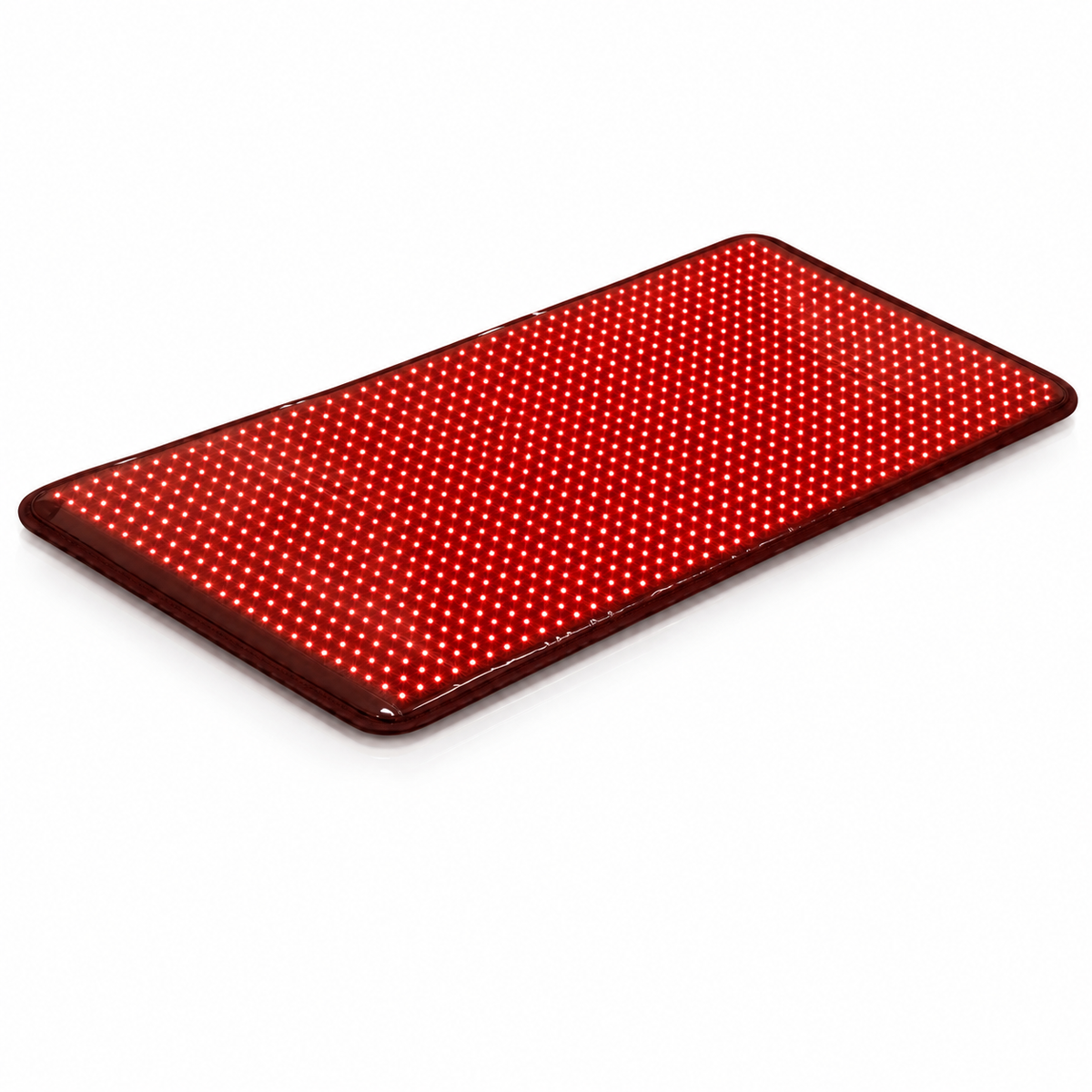
The Complete Light Code System pairs the full-body mat with the molecular-hydrogen Exodus Supplement. Find it in the red light therapy collection, or start with a full-body red light therapy mat.