Red Light Therapy Device Specifications: What the Numbers Mean
Red Light Therapy Device Specifications Explained

By Rob Rene, Founder, Exodus Strong. Faith-Based AI Wellness Futurist
The key red light therapy device specifications are wavelength (660nm and 850nm), irradiance (mW/cm² at a stated distance), power output, coverage area, EMF level, and beam angle. Irradiance and wavelength determine the effective dose, while coverage and format determine fit. Reading these specs lets you compare devices on substance rather than marketing.
Red light therapy spec sheets are full of numbers, and not all of them matter equally. Knowing which specifications drive results, and which are marketing noise, lets you compare devices honestly. This guide explains each spec in plain language so you can read any device's sheet with confidence.
What Are the Most Important Red Light Therapy Specs?
The most important specifications are wavelength and irradiance, because together they determine the dose delivered to your tissue. Wavelength sets what the light can do and how deep it reaches; irradiance sets how quickly an effective dose is delivered. Coverage area, EMF, and beam angle matter secondarily, shaping fit and comfort rather than core effectiveness.
| Specification | Typical value | What it tells you |
|---|---|---|
| Wavelength | 660nm + 850nm | What the light does and how deep it reaches |
| Irradiance | Stated with its measurement distance | How fast an effective dose is delivered |
| Coverage area | Varies by format | How much body you can treat at once |
| EMF | Low at distance | Electromagnetic emissions near the body |
| Beam angle | 30-60 degrees | How focused or spread the light is |
What Is Wavelength and Why Does It Matter?
Wavelength, measured in nanometers, defines the color and penetration of the light. 660nm visible red is absorbed in the upper 1-2mm of skin to support collagen, while 850nm near-infrared penetrates 2-3mm or deeper to support muscle and joints. A quality device specifies both, because each serves a different tissue depth (Avci et al., 2013).
What Is Irradiance and How Is It Measured?
Irradiance is the light intensity reaching a surface, measured in milliwatts per square centimeter (mW/cm²) at a specified distance. It is the spec that most affects session length: higher irradiance delivers an effective dose faster. The critical detail is the measurement distance: an impressive irradiance figure means little if measured at the surface rather than at a realistic treatment distance.
What Is Dose (J/cm²) and How Does It Relate to Specs?
Dose is the total light energy delivered, measured in joules per square centimeter (J/cm²), and it equals irradiance multiplied by time. This is why specs matter: a higher-irradiance device reaches the same dose in less time. The mechanism depends on adequate dose reaching the mitochondria to support ATP production (photobiomodulation mechanisms, 2022).
What Does EMF Mean on a Spec Sheet?
EMF (electromagnetic field) on a spec sheet indicates the electromagnetic emissions a device produces, ideally measured at treatment distance. Low EMF is a reasonable preference for devices used close to the body for extended sessions. While wavelength and irradiance are the therapeutic drivers, a published low-EMF figure signals a manufacturer that documents its product thoroughly.
What Is Beam Angle and Does It Matter?
Beam angle describes how focused or spread the emitted light is, typically 30-60 degrees. A narrower angle concentrates intensity over a smaller area, while a wider angle spreads it for broader coverage at lower intensity. Beam angle interacts with distance and irradiance to determine how the dose is distributed across your target area.
How Do You Compare Two Devices by Their Specs?
Compare two devices by checking wavelengths first (both should have 660nm and 850nm), then irradiance at a stated distance, then coverage relative to your goal. A device with both wavelengths and well-documented irradiance at a realistic distance is comparing on substance. Treat undocumented or surface-measured intensity claims with caution.
What Specs Do Exodus Strong Devices Offer?
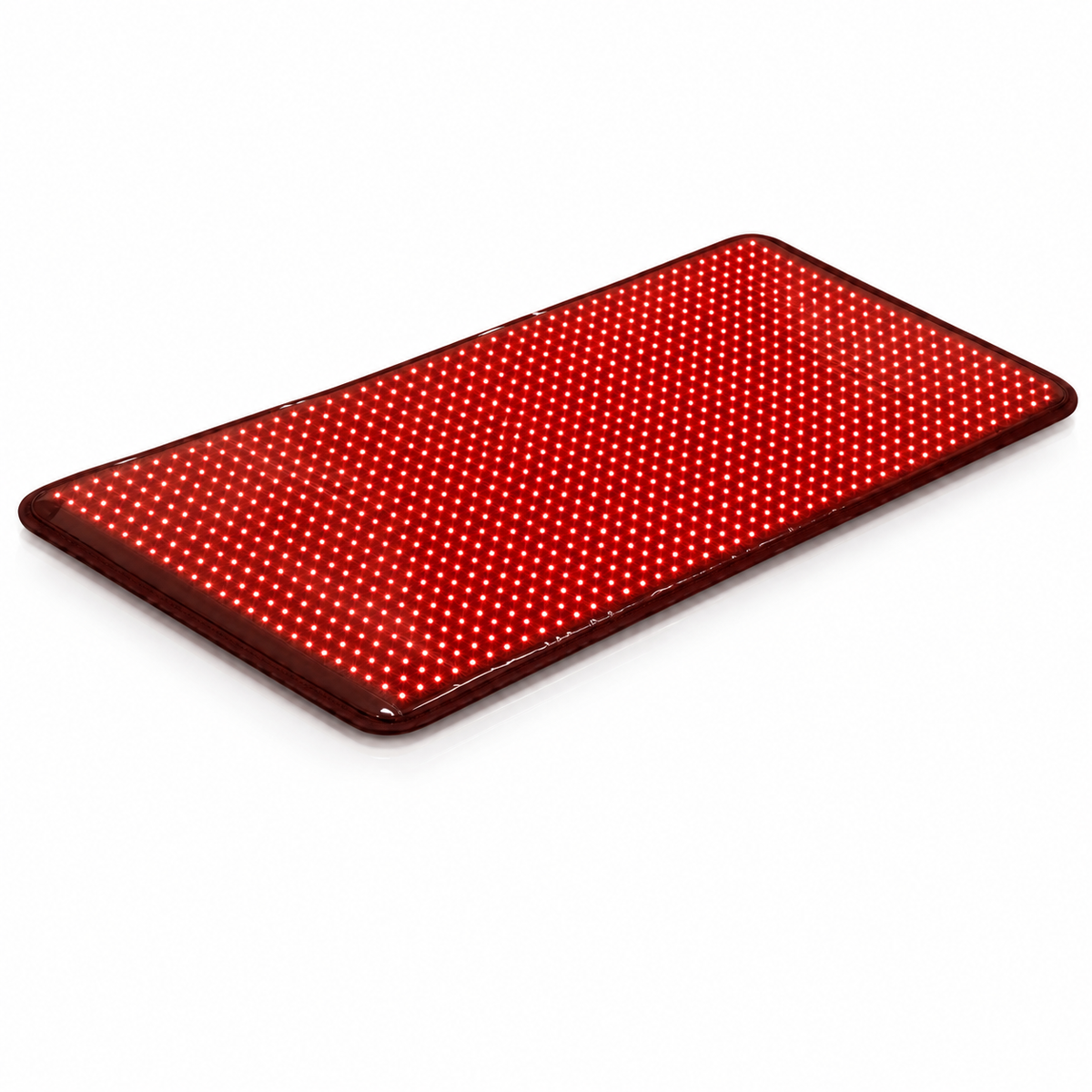
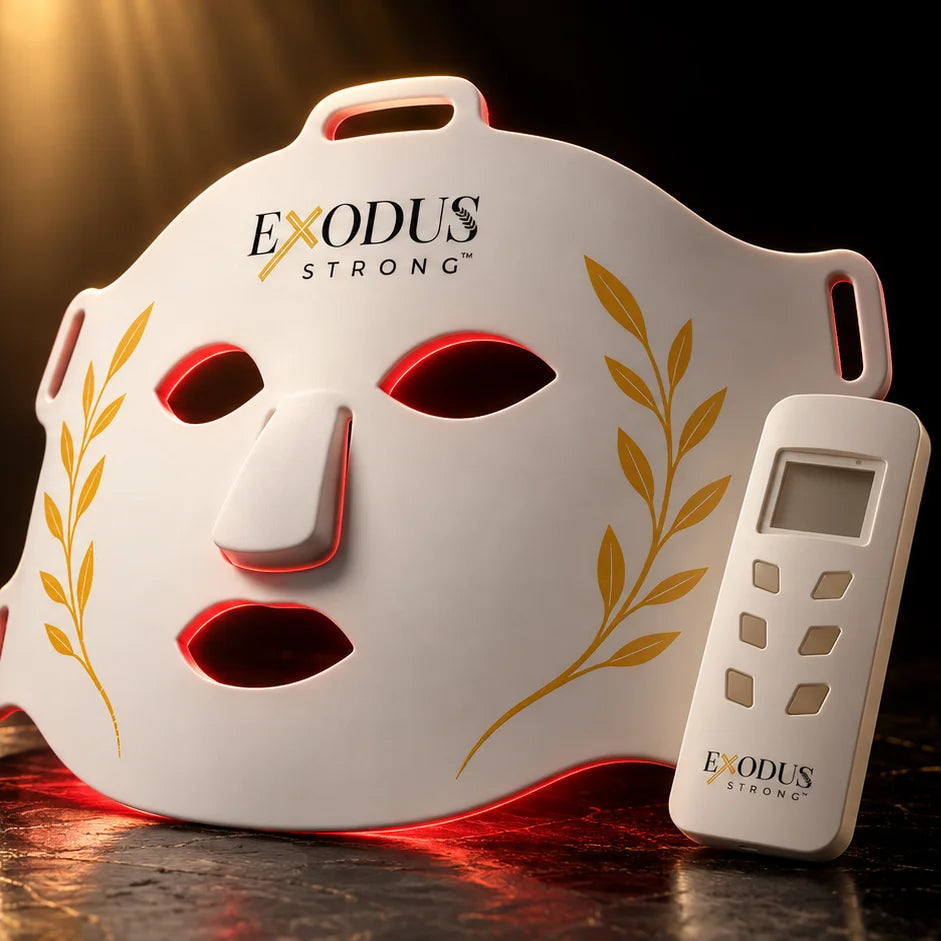
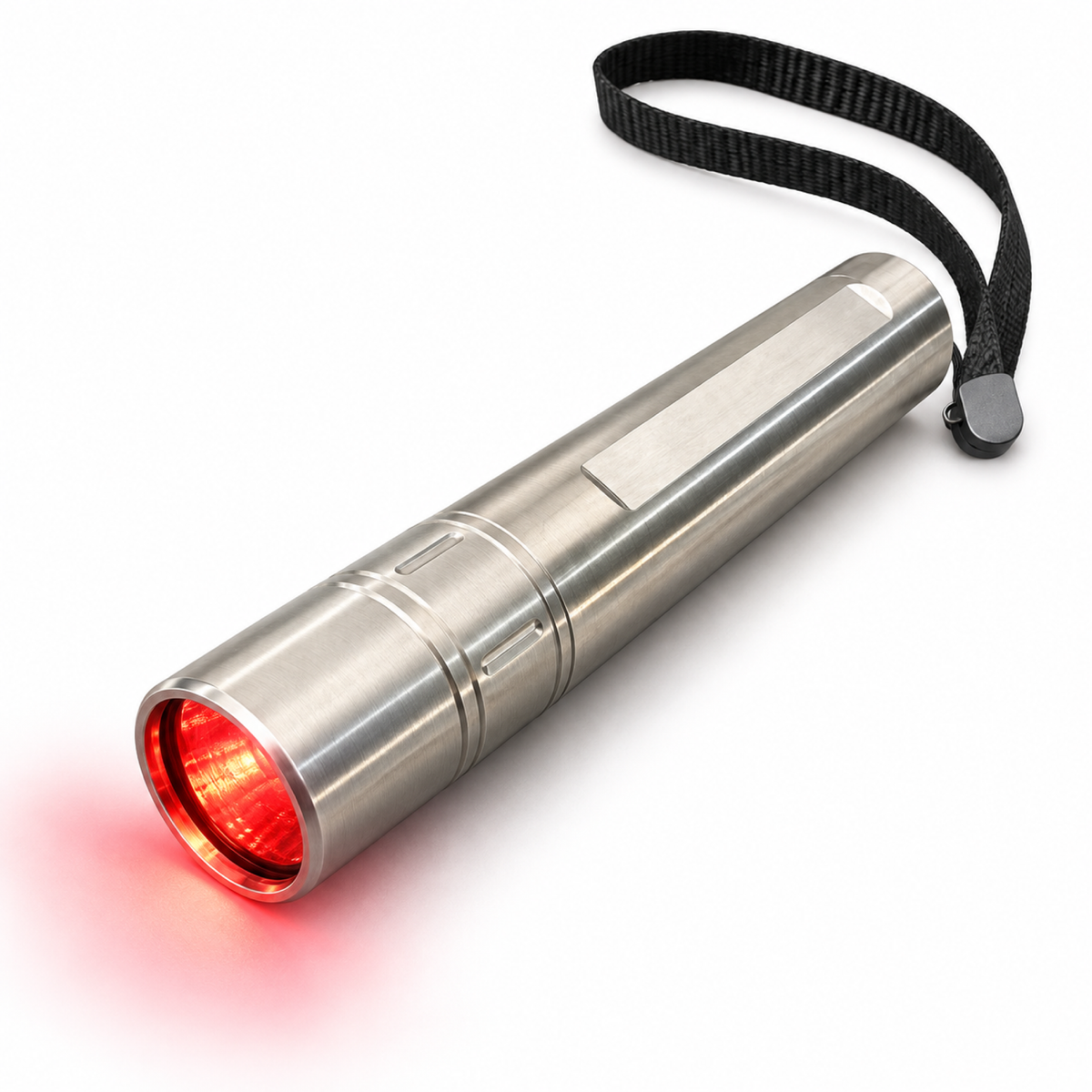
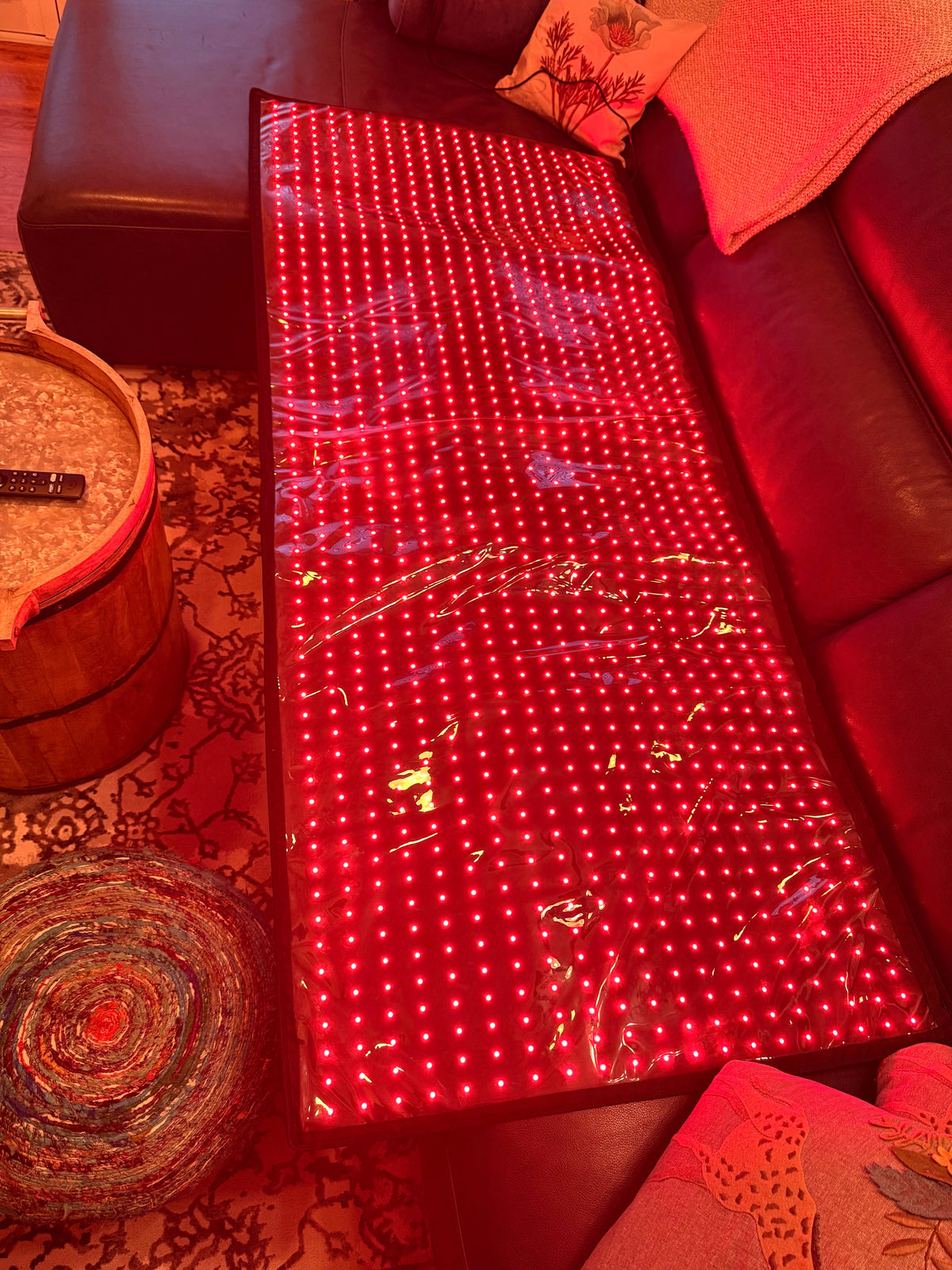
Exodus Strong devices are built around the specifications that matter: high-quality 660nm and 850nm wavelengths, formats matched to common goals, and clear dosing guidance. The Red Light Mat covers whole-body sessions, the Therapy Wand targets specific areas, and the Face Mask is designed for facial skin.
How Does Molecular Hydrogen Complement a Spec-Driven Routine?
Beyond device specs, molecular hydrogen supports recovery as a selective antioxidant from the inside. It can be taken as capsules, tablets, or hydrogen-rich water. Within the Exodus Strong 4-Pillar Wellness System, it complements any well-specified red light device.
Frequently Asked Questions
What are the most important red light therapy device specs?
Wavelength (660nm and 850nm) and irradiance (mW/cm² at a stated distance) are most important, because together they determine the dose. Coverage area, EMF, and beam angle matter secondarily, shaping fit and comfort.
What is a good irradiance for red light therapy?
The figure only means something when the measurement distance is stated with it. Higher irradiance delivers an effective dose faster. The measurement distance is critical, so be cautious of intensity quoted at the surface.
What does J/cm² mean in red light therapy?
J/cm² is the total dose of light energy delivered, equal to irradiance multiplied by time. It is why specs matter: a higher-irradiance device reaches the same dose in less time. Adequate dose is what supports the cellular mechanism.
What does EMF mean on a red light therapy spec sheet?
EMF indicates the electromagnetic emissions a device produces, ideally measured at treatment distance. Low EMF is a reasonable preference for devices used close to the body for long sessions, though wavelength and irradiance are the therapeutic drivers.
What is beam angle in a red light device?
Beam angle, typically 30-60 degrees, describes how focused or spread the light is. A narrower angle concentrates intensity; a wider angle spreads it for broader coverage at lower intensity. It interacts with distance and irradiance.
How do I compare two red light therapy devices?
Check wavelengths first (both 660nm and 850nm), then irradiance at a stated distance, then coverage relative to your goal. Well-documented specs at a realistic distance indicate a serious product; undocumented claims warrant caution.
Shop dual-wavelength devices
Every Exodus Strong device pairs 660nm and 850nm. Browse the complete red light therapy device collection, or compare full-body red light therapy mats: light points, prices, and what's included.