
Red Light Therapy Side Effects: What the Research Shows
Red Light Therapy Side Effects: What You Should Know

By Rob Rene, Founder, Exodus Strong. Faith-Based AI Wellness Futurist
Red light therapy side effects are few and usually mild, such as temporary skin redness, mild warmth, or eye strain from looking at the light. These resolve quickly and are avoidable by following distance and session guidance and protecting the eyes. The non-ionizing, UV-free 660nm and 850nm wavelengths make serious side effects rare.
Every wellness practice deserves an honest look at its downsides, and red light therapy is no exception. The good news is that its side-effect profile is mild and well documented: the wavelengths involved are non-ionizing and UV-free, so the risks are limited and largely preventable. This guide covers the side effects that can occur, why they happen, and how to avoid them.
What Are the Side Effects of Red Light Therapy?
The side effects of red light therapy are generally mild and temporary. The most commonly reported are slight skin redness or warmth in the treated area, mild eye strain from looking at bright emitters, and occasional headache from overexposure. These effects are uncommon, short-lived, and typically tied to overuse or incorrect technique rather than the therapy itself. Dermatology reviews report a favorable safety profile for red and near-infrared light (Avci et al., 2013).
Why Does Red Light Therapy Have Few Side Effects?
Red light therapy has few side effects because it uses non-ionizing wavelengths with no UV, working through light absorbed by cells rather than heat or radiation damage. The 660nm and 850nm wavelengths support cellular energy without the DNA-damaging risk of ultraviolet light. This gentle, light-based mechanism is why the therapy is well tolerated when used as directed (photobiomodulation mechanisms, 2017).
Can Red Light Therapy Cause Skin Redness?
Mild, temporary skin redness can occur after a session, especially with longer exposure, and typically fades within a short time. This is a normal response to increased local circulation rather than a sign of damage. Keeping sessions to 10-20 minutes at the recommended distance minimizes it, and the redness should not be painful or persistent.
Can Red Light Therapy Affect the Eyes?
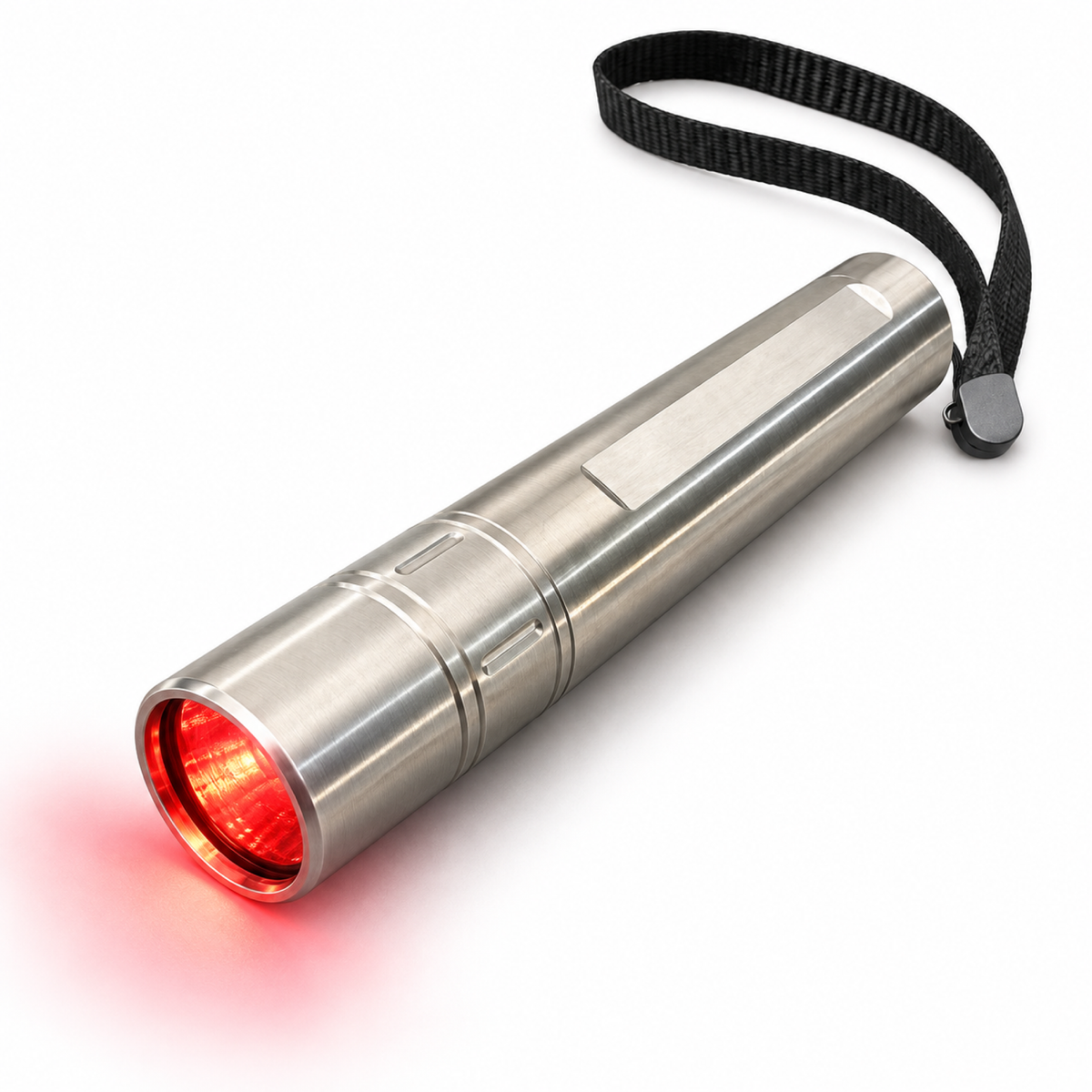
Looking directly into bright red and near-infrared emitters can cause temporary eye strain or discomfort. While red light therapy is gentler on the eyes than UV or laser sources, the sensible precaution is to close the eyes during facial sessions or use the device's recommended eye protection. This simple step prevents the main eye-related side effect.
What Causes Side Effects in Red Light Therapy?
Most side effects come from overuse, incorrect distance, or looking into the emitters, not from the therapy used correctly. Sessions that run too long or too frequently can cause mild redness or headache, while ignoring eye comfort causes strain. Following the device's distance and duration guidance removes nearly all reported side effects.
- Overuse: Sessions longer or more frequent than needed can cause mild redness or headache.
- Wrong distance: Too close can increase warmth and redness.
- Eye exposure: Staring into emitters causes strain; close eyes or use protection.
- Photosensitivity: Certain medications increase light sensitivity; check with a provider.
How Do You Avoid Red Light Therapy Side Effects?
You avoid side effects by following three habits: keep sessions to 10-20 minutes, maintain the recommended distance, and protect the eyes. Starting conservatively and building up over the first two weeks lets you gauge how your skin responds. These simple practices keep red light therapy in its well-tolerated range.
Are There Long-Term Side Effects of Red Light Therapy?
There is no strong evidence of harmful long-term side effects from correctly used red light therapy at 660nm and 850nm. Because the wavelengths are non-ionizing and UV-free, they do not carry the cumulative damage risk associated with UV exposure. As with any practice, using it as directed and consulting a provider for specific health conditions is the prudent approach.
Who Is Most Likely to Experience Side Effects?
Those most likely to experience side effects are people taking photosensitizing medications, those with photosensitivity disorders, and anyone who overuses the device or ignores eye protection. These individuals should consult a provider before starting and follow guidance closely. For most people without these factors, side effects are rare and mild.
How Does Molecular Hydrogen Support Gentle Wellness?
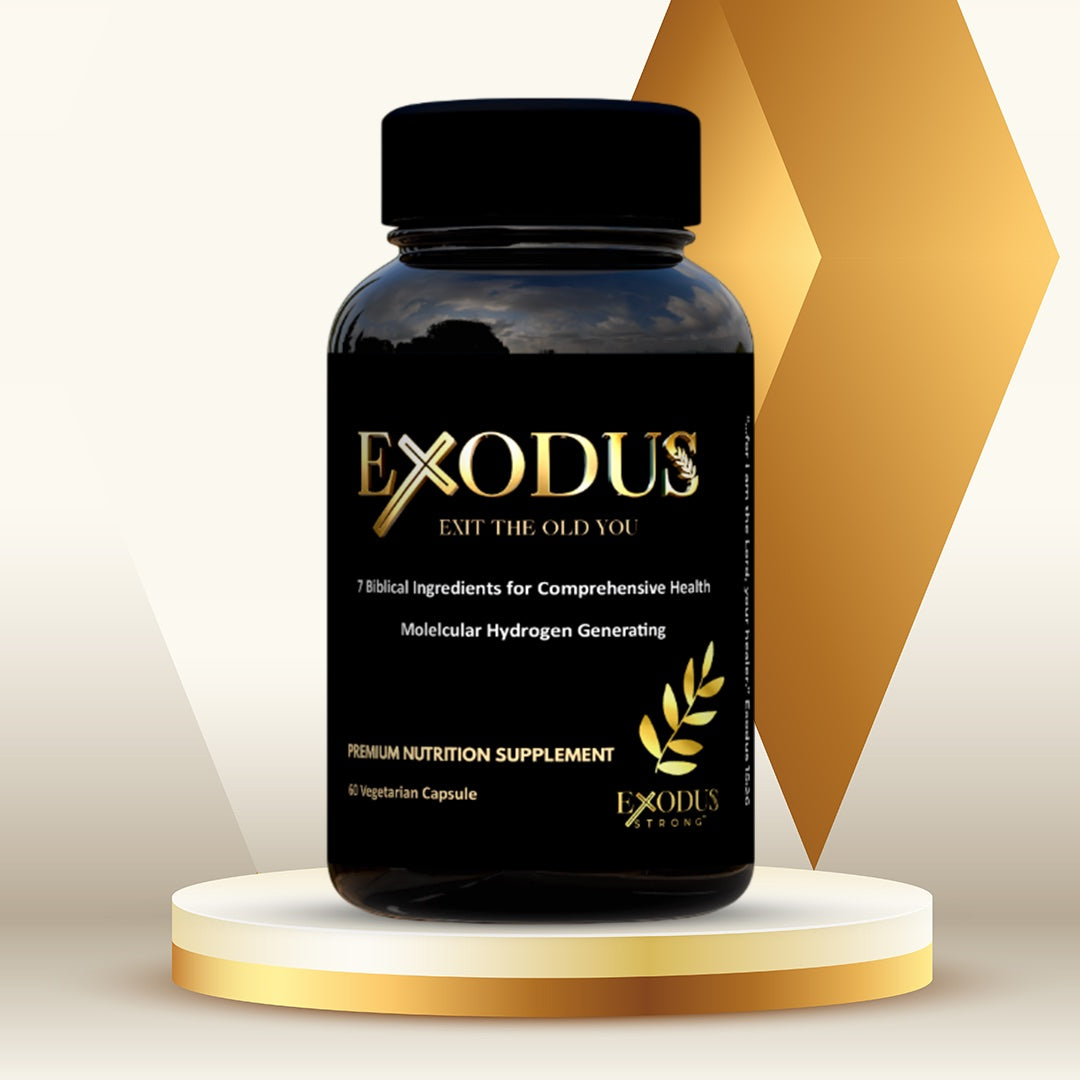
Molecular hydrogen is a well-tolerated selective antioxidant that pairs gently with red light therapy. It supports the body's normal recovery and antioxidant balance without the risks of high-dose synthetic antioxidants. Within the Exodus Strong 4-Pillar Wellness System, it complements red light sessions as part of a low-risk, balanced routine.
Frequently Asked Questions
What are the side effects of red light therapy?
Side effects are few and usually mild: temporary skin redness or warmth, mild eye strain from looking at the light, and occasional headache from overexposure. They resolve quickly and are avoidable by following distance and session guidance and protecting the eyes.
Is red light therapy safe with no serious side effects?
Red light therapy uses non-ionizing, UV-free 660nm and 850nm wavelengths and has a favorable safety profile in dermatology reviews. Serious side effects are rare when it is used as directed. Most reported effects stem from overuse or incorrect technique.
Can red light therapy cause skin redness?
Mild, temporary redness can occur, especially with longer sessions, and usually fades quickly. It reflects increased local circulation rather than damage. Keeping sessions to 10-20 minutes at the recommended distance minimizes it.
Does red light therapy affect the eyes?
Looking directly into bright emitters can cause temporary eye strain. Red light therapy is gentler on the eyes than UV or laser sources, but you should close your eyes during facial sessions or use recommended protection.
Are there long-term side effects of red light therapy?
There is no strong evidence of harmful long-term effects from correctly used 660nm and 850nm therapy, because the wavelengths are non-ionizing and UV-free. Use it as directed and consult a provider for specific health conditions.
How do I avoid red light therapy side effects?
Keep sessions to 10-20 minutes, maintain the recommended distance, and protect the eyes. Start conservatively and build up over the first two weeks. These habits keep the therapy in its well-tolerated range.
Find your device
See every red light therapy device we make side by side, or go straight to the full-body mats and multi-mat kits.