How to Choose the Right Red Light Therapy Device for Your Goals
How to Choose the Right Red Light Therapy Device for Your Goals

By Rob Rene, Founder, Exodus Strong. Faith-Based AI Wellness Futurist
To choose the right red light therapy device, start with your primary goal, then match it to wavelength, format, and dose. Skin goals favor 660nm and a mask or panel; muscle and joint goals favor 850nm and a mat or wand; whole-body goals favor a dual-wavelength mat. Confirm the device publishes irradiance at a realistic distance.
The best red light therapy device is not the most powerful or the most expensive. It is the one that matches your goal and that you will use consistently. Choosing well is a short decision process that starts with what you want to support and works outward to the device that fits. This guide is that decision framework, goal by goal.
How Do You Choose a Red Light Therapy Device?
You choose a red light therapy device by answering four questions in order: What is my primary goal? Which wavelength serves it? Which format fits my routine? Does the device deliver adequate, documented irradiance? Starting from the goal keeps you from overpaying for coverage or power you do not need, and ensures the device actually addresses what you care about.
Step 1: What Is Your Primary Goal?
Begin by naming your single most important goal: skin, muscle recovery, joint comfort, or whole-body support. This choice drives every other decision. Trying to optimize for everything at once usually leads to a device that fits nothing well, so pick the goal that matters most and let it lead.
Step 2: Which Wavelength Serves Your Goal?
Match the wavelength to the goal: 660nm for skin and collagen, 850nm for muscle and joints, both for whole-body. 660nm is absorbed in the upper 1-2mm of skin, while 850nm penetrates 2-3mm or deeper. Most quality devices include both, which is ideal, but your primary goal tells you which one must be present and effective (Avci et al., 2013).
Step 3: Which Format Fits Your Routine?
Choose the format that matches your goal and lifestyle. The format determines whether the device becomes a daily habit or a drawer ornament, so weight convenience heavily.
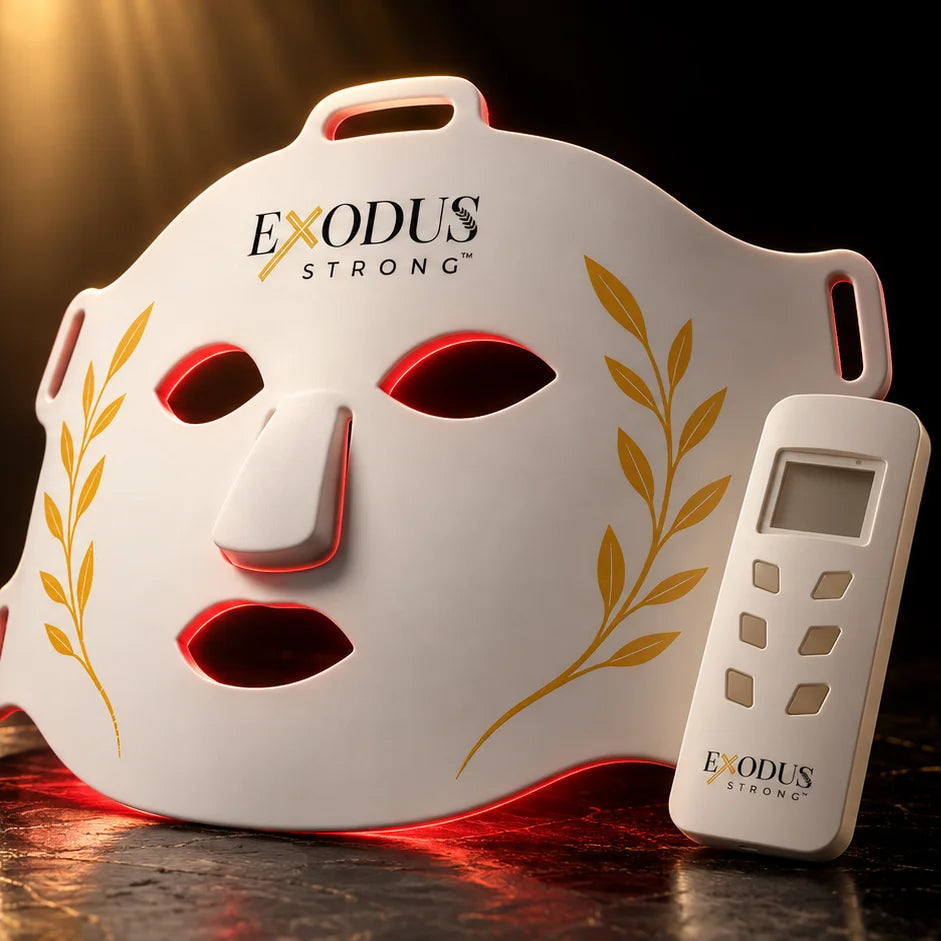
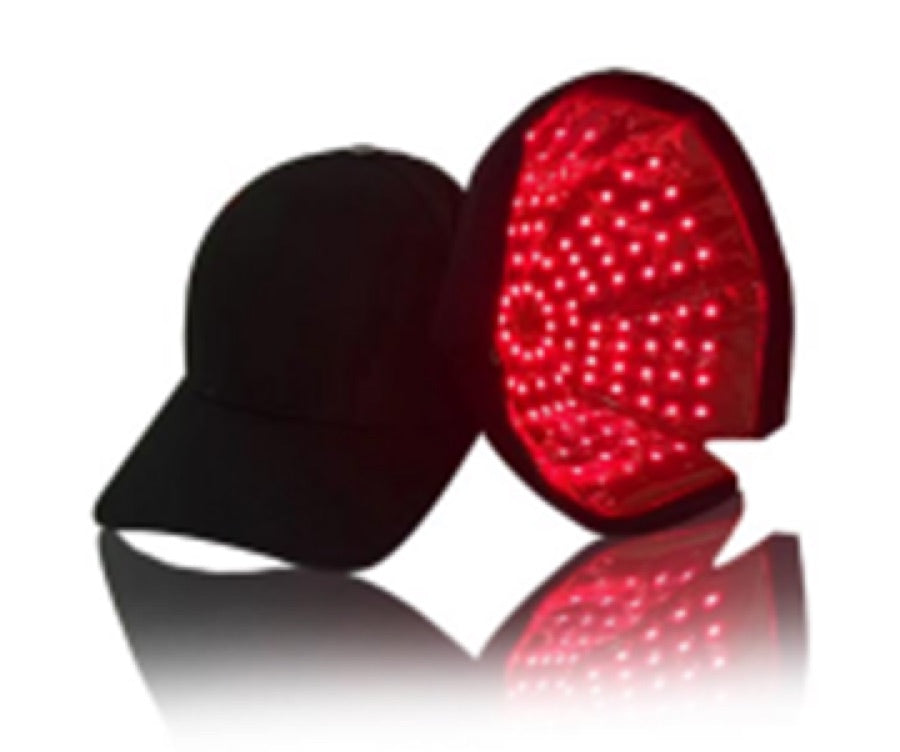
- Skin: a face mask (hands-free) or small panel.
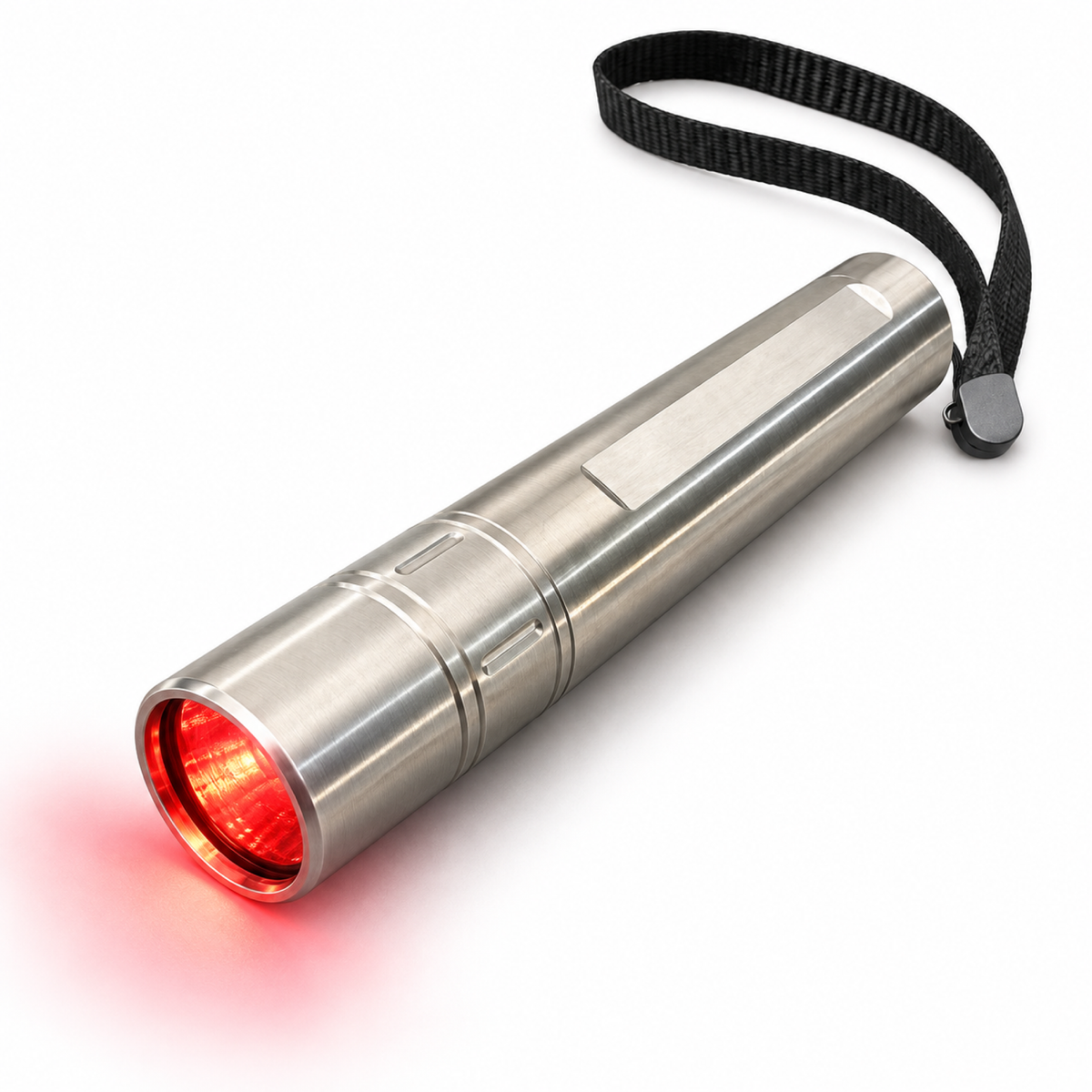
- Muscle recovery: a panel or wand for targeted areas.
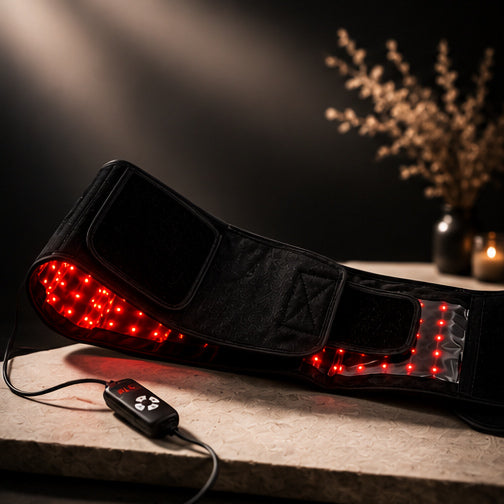
- Joint comfort: a wand or wrap for specific joints.
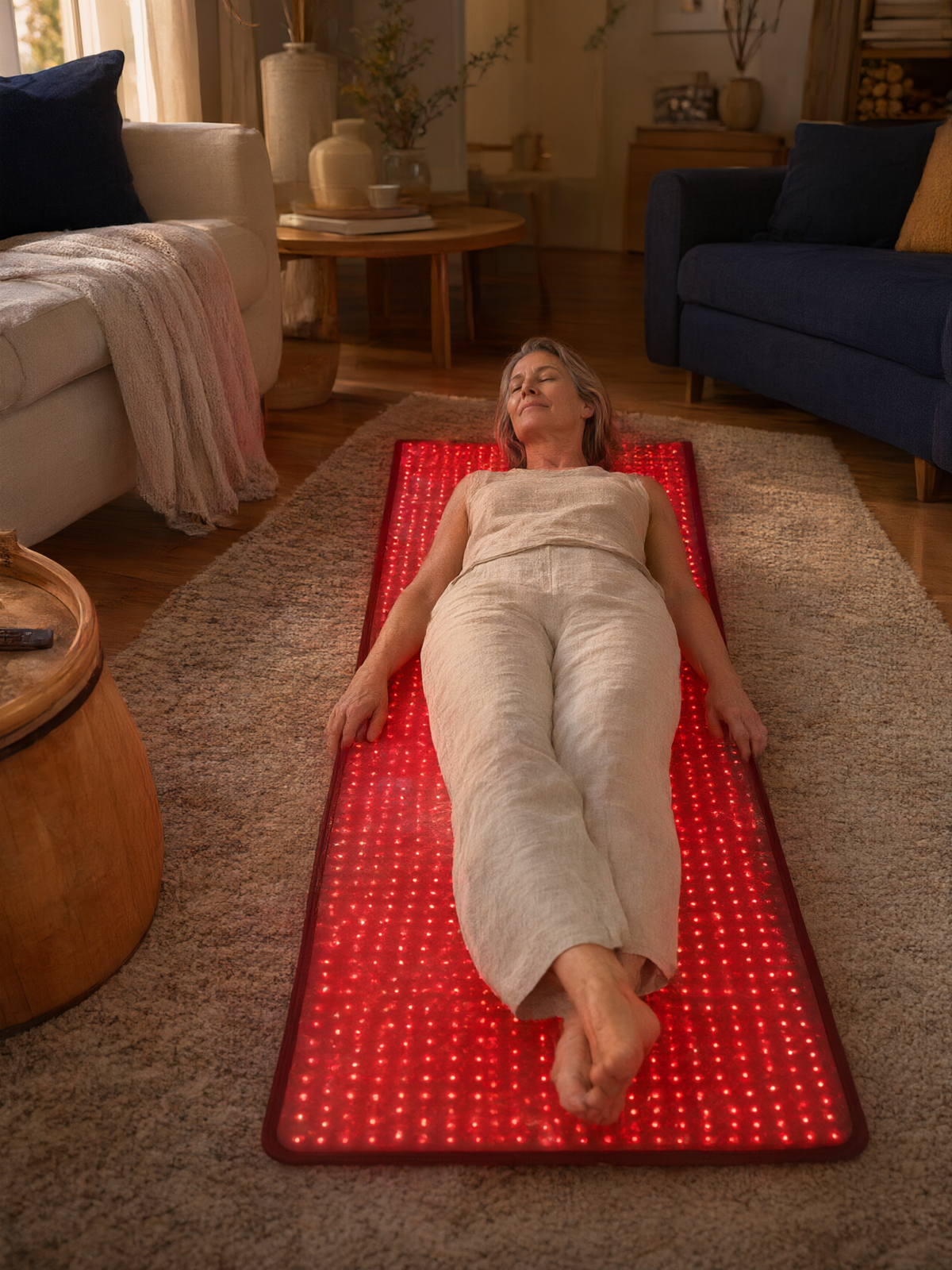
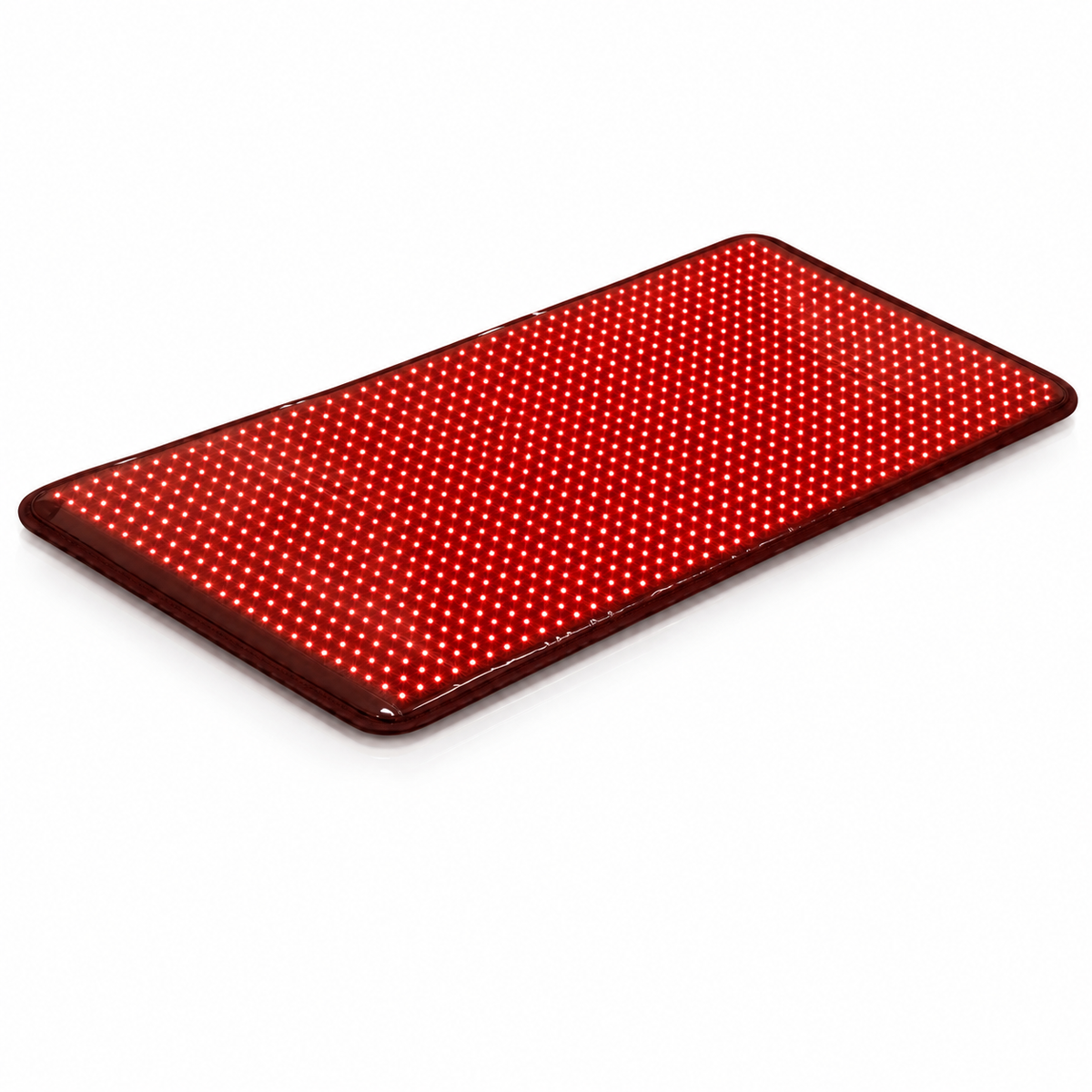
- Whole-body: a dual-wavelength mat.
Step 4: Does It Deliver Adequate Dose?
Confirm the device publishes its irradiance and the treatment distance it was measured at, which tells you it can deliver an effective dose in a reasonable session. A device that hides its irradiance or quotes it only at the surface is a caution sign. Adequate, documented dose is the difference between a device that works and one that merely glows.
How Do You Choose a Device for Multiple Goals?
If you have multiple goals, a dual-wavelength mat plus a targeted wand covers most needs: the mat handles whole-body and skin, the wand handles specific joints and muscles. This pairing is often more practical and cost-effective than buying several single-purpose devices. Prioritize the format that addresses your most frequent goal.
What Budget Should You Plan For?
Plan a budget based on coverage rather than chasing the highest price. A facial mask covers a small area at lower cost, while a full-body mat costs more for greater coverage and more emitters. Spend first on correct wavelengths and documented irradiance; treat size and extra features as needs-driven rather than default upgrades.
Which Exodus Strong Device Fits Your Goal?
Exodus Strong's lineup maps cleanly to goals: the Face Mask for skin, the Therapy Wand for targeted muscle and joint work, and the Red Light Mat for whole-body support. All use high-quality 660nm and 850nm wavelengths with clear dosing guidance, so you can choose by goal and trust the fundamentals are covered.
How Does Molecular Hydrogen Fit Your Choice?
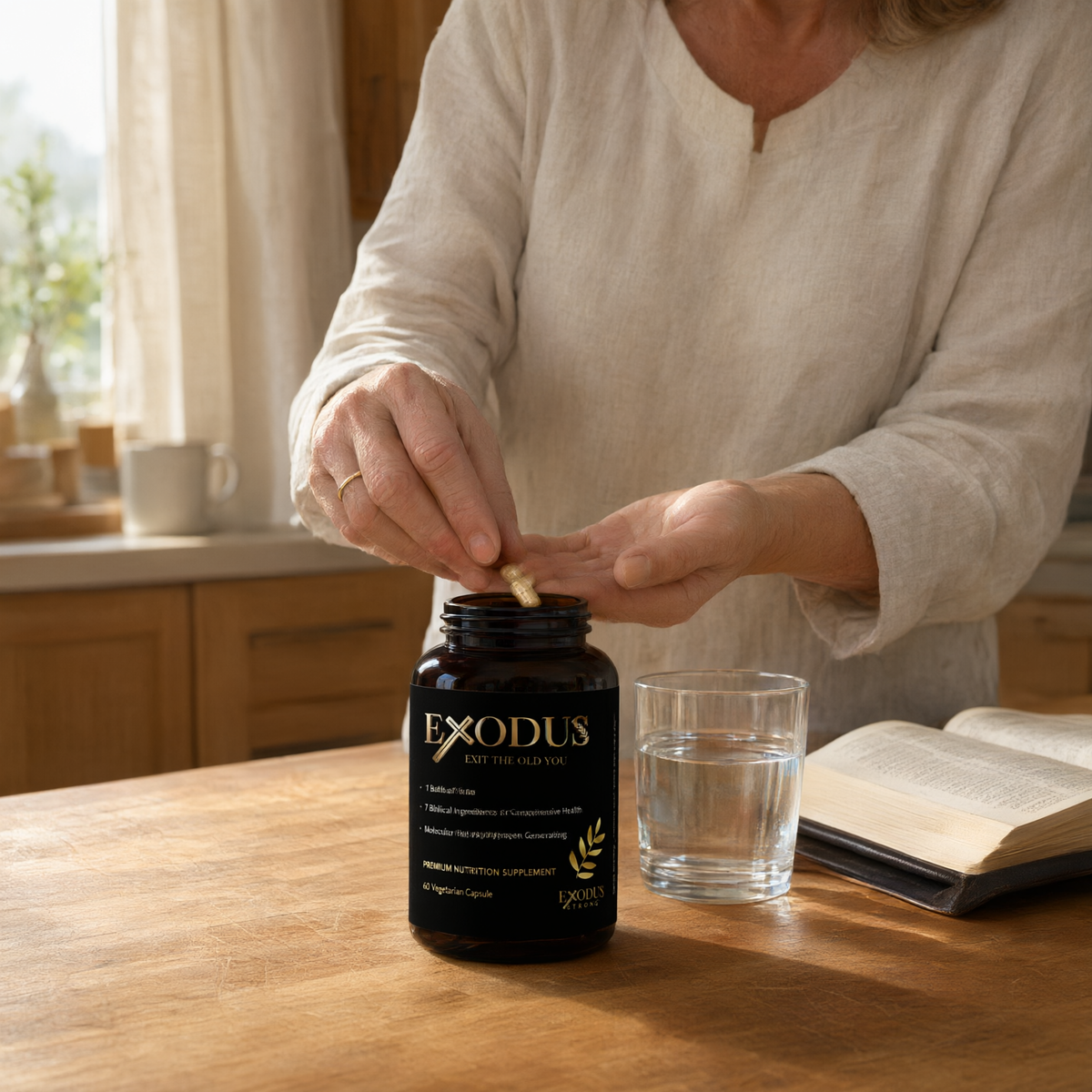
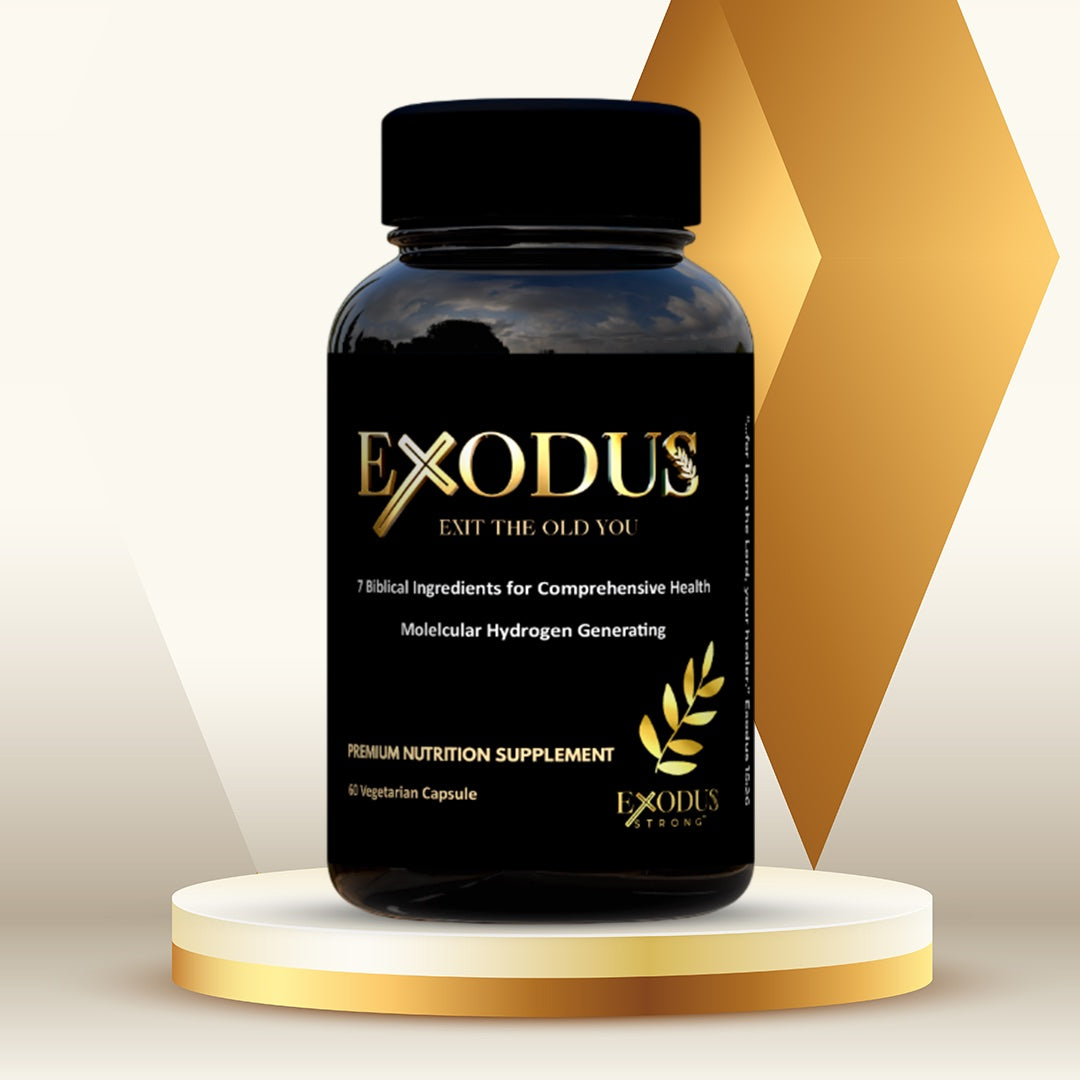
Whatever device fits your goal, molecular hydrogen complements it as a selective antioxidant supporting recovery from the inside. It is available as capsules, tablets, or hydrogen-rich water. Within the Exodus Strong 4-Pillar Wellness System, it rounds out any device choice.
Frequently Asked Questions
How do I choose the right red light therapy device?
Start with your primary goal, then match it to wavelength, format, and dose. Skin goals favor 660nm and a mask or panel; muscle and joint goals favor 850nm and a mat or wand; whole-body goals favor a dual-wavelength mat. Confirm published irradiance at a realistic distance.
Which red light therapy device is best for skin?
For skin, choose a device with strong 660nm output in a face mask or panel format. 660nm is absorbed in the upper 1-2mm of skin where it supports collagen. Many masks also include 850nm for deeper support.
Which device is best for muscle and joint recovery?
For muscle and joints, choose a device with strong 850nm output in a panel, wand, or mat format. 850nm penetrates 2-3mm or deeper to reach muscle and joint tissue, supporting recovery and comfort.
Can one device cover multiple goals?
Yes. A dual-wavelength mat plus a targeted wand covers most needs: the mat handles whole-body and skin, the wand handles specific joints and muscles. This pairing is often more practical than several single-purpose devices.
How much should I budget for a red light therapy device?
Budget based on coverage rather than price alone. Facial masks cost less for a small area; full-body mats cost more for greater coverage. Spend first on correct wavelengths and documented irradiance.
How do I know a device delivers an effective dose?
Confirm it publishes irradiance and the distance it was measured at. That tells you it can deliver an effective dose in a reasonable session. Hidden or surface-measured irradiance is a caution sign.
Shop dual-wavelength devices
Every Exodus Strong device pairs 660nm and 850nm. Browse the complete red light therapy device collection, or compare full-body red light therapy mats: light points, prices, and what's included.